Is Professional Logo Design Worth It for Local Businesses?
Table of Contents
- What Professional Logo Design Actually Delivers
- Logo Design Cost in New Zealand: What You’ll Actually Pay
- DIY Logo vs Professional Designer: The Real Differences
- The Business Case: ROI and Long-Term Brand Equity
- Trademarking a Logo in New Zealand: Legal Protection and Brand Value
- When Professional Design Pays Off vs When DIY Works
- Making Your Decision: A Practical Framework
- Conclusion
Last Updated: August 10, 2026
What Professional Logo Design Actually Delivers
A professional logo is the visual anchor for everything your business communicates, from your website to your storefront to the business cards customers keep in their wallets. When done well, it shapes first impressions, builds customer trust, and becomes the foundation of your brand identity that customers recognise and remember.
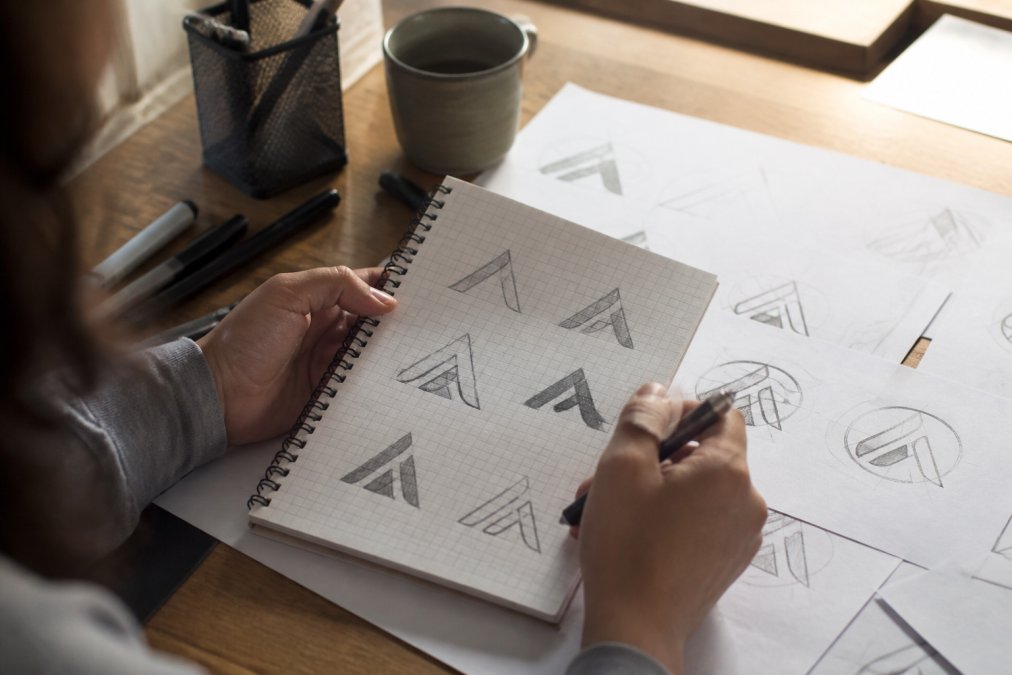
The difference between a professional logo and a DIY one comes down to strategy. A professional designer understands colour psychology, typography, scalability, and how your visual language needs to work across print, digital, and physical spaces. They research your target audience, competitive positioning, and what makes your business different, that research phase is where the real value lives.
How logos shape first impressions and brand perception
Your logo is typically the first visual touchpoint a potential customer encounters. Within seconds, it communicates whether your business is trustworthy, modern, established, or innovative. A poorly designed logo creates an immediate credibility gap. Professional logo design considers how your mark performs across contexts: on a website favicon (16 pixels), on a billboard (50 metres away), embroidered on a uniform, or rendered in greyscale. A template-based logo often fails in real-world conditions because it wasn’t built with these constraints in mind.
The connection between visual identity and customer trust
Brand recognition and credibility are deeply intertwined. When customers see consistent visual communication across your website, social media, packaging, and physical location, they perceive your business as more established and professional. A cohesive visual language tells customers you’ve invested in your business. Over time, that visual consistency builds brand equity, the intangible value that makes customers choose you over a competitor with a similar offering.
Logo Design Cost in New Zealand: What You’ll Actually Pay
The cost of professional logo design in New Zealand varies dramatically depending on the approach you choose. Understanding the full picture, including hidden costs of cheap options, helps you make a decision aligned with your business goals.
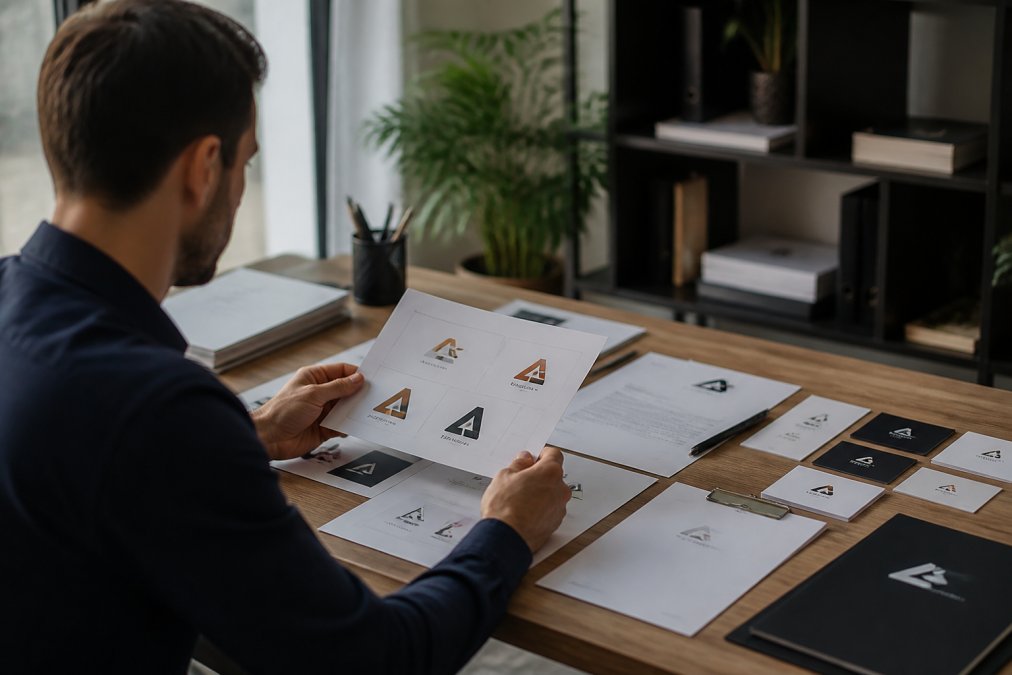
Comparing template-based and custom design pricing
Template-based logo makers like Canva, Looka, and BrandCrowd offer the lowest entry point. Canva Pro costs from NZ$15 per month or NZ$120 per year, Looka’s Basic Logo Package starts at US$20 (one-time), and BrandCrowd’s Saver plan runs from A$9.00/month. These tools give you access to thousands of pre-designed templates you can customise with your colours, fonts, and text.
The trade-off is significant: you’re selecting from existing designs, not creating something unique to your business. Your logo may look similar to dozens of other businesses using the same tool. Template tools also typically provide limited file formats in their basic packages, often just PNG files that don’t scale well for print.
Custom design from freelance platforms sits in the middle. Fiverr ranges from around US$5 up to US$5,000+ for premium designers. Upwork typically starts around US$15-$30 per hour for a focused logo project, scaling up to NZ$4,500-NZ$10,000+ for strategic brand identity work.
Professional design agencies in New Zealand command higher fees because they bring strategic thinking, experience, and accountability. Studio Nine estimates NZ$4,000-NZ$10,000 for small branding projects. Logoinn offers agency-style work starting at NZ$45 for basic logos up to NZ$199 for premium corporate packages. White Rabbit typically charges project-based fees aligned with their comprehensive brand strategy approach.
Hidden costs of cheap design choices
A NZ$33 AI-generated logo sounds attractive until you need to print it on a billboard or scale it to fit a website header. The basic package from Looka provides only a low-resolution PNG, not suitable for professional print work. Upgrading to their Premium package (US$65) gives you vector files, but you’ve now spent more than double the initial cost.
Template tools also create legal ambiguity. If you select a template design, the underlying template may be used by competitors. Your logo isn’t truly unique, and trademark protection becomes complicated.
Freelance platforms introduce quality risk. A poorly executed logo wastes not just the design fee but also the cost of reprinting business cards, updating signage, and rebuilding your brand materials when you realise the design doesn’t work at scale.
Professional agencies charge more upfront, but that cost typically includes strategy, multiple concepts, revisions, and deliverables in all necessary formats (vector files, high-resolution rasters, colour and greyscale variations). You’re paying for expertise that anticipates problems before they become costly mistakes.
DIY Logo vs Professional Designer: The Real Differences
The decision between DIY and professional design hinges on what you actually need your logo to accomplish and how much time and technical knowledge you’re willing to invest.
What template tools and AI generators can and cannot do
Template-based tools excel at speed and accessibility. You can generate a logo concept in minutes and customise colours and fonts without design experience. For a solo freelancer or very early-stage business testing a concept, these tools deliver real value.
What they cannot do is think strategically about your brand. They can’t research your target audience, analyse your competitors, or develop a visual language that differentiates you in your market. An AI logo generator doesn’t understand why a particular colour palette or typeface signals "premium" versus "budget-friendly." It generates options based on patterns in its training data, not on strategic insight into your specific business.
Template tools also struggle with scalability and technical file requirements. A logo designed in Canva might look fine on a social media profile but appear pixelated when printed on a banner. Professional designers build logos as vector files, infinitely resizable without quality loss. They deliver files in multiple formats (AI, EPS, PDF, SVG, PNG, JPEG) because they understand that your logo needs to work in dozens of different applications.
Why scalability, file formats, and brand consistency matter
A vector-based logo can scale from a favicon to a billboard without degradation. A raster image (PNG, JPEG) has a fixed resolution; enlarge it beyond its native size and it becomes blurry. This technical difference matters enormously in real-world use.
Professional designers also provide comprehensive brand guidelines, documentation that specifies how your logo should be used, minimum sizes, colour variations, and clear space requirements. These guidelines ensure brand consistency across all your marketing collateral. Template tools rarely include this level of documentation.
The Business Case: ROI and Long-Term Brand Equity
Professional logo design is an investment in brand equity, the intangible value that makes customers choose you over competitors.
How professional branding affects market positioning and competitive advantage
A professional logo signals investment and credibility. In competitive markets, that signal matters. Customers unconsciously associate polished visual identity with higher quality and reliability. Professional branding also enables premium positioning; a business with cohesive, well-executed visual identity can justify higher prices because it communicates professionalism and value.
Your logo becomes the anchor for all downstream marketing efforts. When you invest in professional design upfront, every subsequent marketing touchpoint, your website, email templates, social media graphics, printed materials, can build on that foundation.
Measuring brand recognition and business growth impact
Brand recognition directly affects customer acquisition. A memorable, professional logo increases the likelihood that a customer who encounters your business once will remember it the next time they need your service. For e-commerce stores, professional branding affects conversion rates. A website with a professional logo and cohesive visual design converts visitors to customers at higher rates than one with amateur branding.
Businesses with professional branding typically grow faster and command higher customer lifetime value than those with DIY branding.
Trademarking a Logo in New Zealand: Legal Protection and Brand Value
Once you’ve invested in professional logo design, protecting it legally makes sense. In New Zealand, trademark registration provides legal rights and prevents competitors from using confusingly similar marks.
Why trademark registration matters for long-term brand protection
A trademark registered with the Intellectual Property Office of New Zealand gives you exclusive rights to use your logo in your industry. Without registration, you have limited legal recourse if a competitor copies your design. Registration costs money and requires navigating application requirements, but it’s essential insurance for any business building long-term brand equity. The Intellectual Property Office of New Zealand (IPONZ) charges a fee of NZ$70 for a standard application using pre-approved terms, or NZ$100 without pre-approved terms, per class. A Search & Preliminary Advice Application costs NZ$100.
A professional designer familiar with trademark considerations can design your logo to maximise distinctiveness and registrability. Trademark protection also increases your business’s asset value. If you ever sell your business or license your brand, a registered trademark is a valuable intangible asset.
When Professional Design Pays Off vs When DIY Works
The answer depends on your business model, budget, and growth ambitions.
Local service businesses, e-commerce stores, and retail: use-case breakdown
Local service businesses (plumbing, electrical, cleaning, landscaping) benefit significantly from professional logo design. Your brand competes in a geographic market where reputation and word-of-mouth drive growth. A professional logo increases customer perception of professionalism and reliability. For a plumber charging NZ$150-$200 per hour, investing NZ$1,000-$3,000 in professional branding pays for itself within the first few months if it increases your conversion rate by even 5%.
E-commerce stores also justify professional design investment. Your logo appears on every page of your website, in email marketing, on social media, and potentially on packaging. A cohesive, professional brand identity increases customer trust and conversion rates.
Retail businesses with physical storefronts see immediate ROI from professional branding. Your logo appears on signage and in-store materials. Professional design signals that you’re an established, trustworthy business.
Very early-stage startups with minimal budget might reasonably start with template-based design. If you’re testing a business concept with limited capital, a NZ$33 AI-generated logo lets you validate the idea before investing in professional design.
The MVP approach: starting lean without sacrificing professionalism
The MVP (minimum viable product) approach to branding means starting with a professionally designed logo but limiting scope elsewhere. Instead of commissioning a full brand identity package, you invest in a professional logo and build supporting materials gradually.
This approach costs less than a full brand identity project (typically NZ$1,500-$3,000 instead of NZ$4,000-$10,000+) while still giving you a professional foundation. You get a vector logo that works at any scale, delivered in all necessary file formats. As your business grows and you have budget, you can develop more sophisticated brand guidelines and marketing materials.
| Design Approach | Cost Range (NZ$) | Timeline | Best For | Key Trade-off |
|---|---|---|---|---|
| Template-based (Canva, Looka, BrandCrowd) | $15-$180/year | Hours to days | Testing concepts, minimal budget | Limited uniqueness, scalability issues |
| Freelance (Fiverr, Upwork) | $5-$5,000+ | 1-4 weeks | Budget-conscious, specific vision | Quality variability, communication delays |
| Local agency (Logoinn, Studio Nine, White Rabbit) | $45-$10,000+ | 2-6 weeks | Professional quality, strategic input | Higher cost, longer timeline |
| Professional software (Adobe Illustrator) | $44.51/month subscription | Weeks to months | Full creative control, scalability | Steep learning curve, time investment |
Making Your Decision: A Practical Framework
Before investing in professional logo design, ask yourself these questions:
1. What’s the lifetime value of your average customer? If a customer is worth NZ$5,000 over their lifetime and professional branding increases your conversion rate by 5%, that’s NZ$250 per customer. A professional logo pays for itself within the first few customers.
2. How visible is your logo in your customer experience? If your logo appears prominently on your website, in-store, on packaging, or in print advertising, professional design has outsized impact.
3. Are you competing on brand or on price? If you’re positioning as a premium or professional option, professional branding is essential to supporting that positioning.
4. How long do you plan to keep this business? If you’re building a long-term business, professional branding is an investment in brand equity that compounds over years.
5. What’s your budget for the next 12 months? If you have NZ$2,000-$5,000 available, professional design is a smart allocation.
6. Do you have a clear vision for your brand? If you can articulate your target audience, competitive positioning, and what makes your business different, a professional designer can translate that vision into a logo.
Web Maniacs helps local businesses and e-commerce stores strengthen their brand identity through professional website design and digital marketing strategy. If you’re building a professional online presence, your logo is the foundation, it should reflect the quality and professionalism of your entire digital presence. Web Maniacs offers custom design and branding services tailored to New Zealand businesses that integrate your logo into a cohesive digital strategy, ensuring your visual identity drives customer connection and business growth.
Professional logo design is worth the investment if your business competes on quality, professionalism, or brand positioning rather than price alone. The ROI compounds over time as your logo becomes the anchor for all your marketing efforts. For local service businesses, e-commerce stores, and retail operations, professional design typically pays for itself within months through increased customer trust and conversion rates. If you’re bootstrapping and need to validate your concept first, start with template-based tools and plan to upgrade to professional design once you’ve proven your business model. The key is matching your design investment to your business stage and growth ambitions, cheap branding becomes expensive when you outgrow it, but professional design built with scalability and strategy in mind supports your business as it grows.
Frequently Asked Questions
Is professional logo design worth it for a small local business?
Professional logo design is worth the investment for local businesses that plan to grow and build long-term brand equity. A well-designed logo strengthens brand identity, builds customer trust, and differentiates you from competitors. The cost depends on your market positioning and growth plans. Service businesses, e-commerce stores, and retail operations that rely on customer perception benefit most from professional design. If you're bootstrapping, consider the MVP approach: invest in a solid logo now and expand your visual identity later.
How much should I expect to pay for professional logo design in New Zealand?
Logo design costs in New Zealand range from NZ$65 for quick template-based designs to NZ$10,000+ for full strategic branding from agencies. Mid-range options include freelancers (NZ$700-NZ$1,800) and boutique design studios (NZ$4,000-NZ$10,000). Template tools like Canva (NZ$20/month) and Looka (NZ$33-NZ$108) offer budget options. The right price depends on your business size, industry, and whether you need just a logo or a complete brand identity system. Web Maniacs offers personalised design solutions tailored to your specific needs, check their pricing page for current rates.
What are the risks of using cheap logo generators for my business?
Cheap logo generators create template-based designs that lack uniqueness and strategic thinking about your brand. Risks include non-scalable files that blur when enlarged, limited customisation options, designs that resemble competitors' logos, and weak file formats (PNG only instead of vector files). These tools also don't provide brand strategy or visual language development. For local businesses building long-term market positioning, cheap generators undermine credibility and brand recognition. The hidden cost is lost competitive advantage and customer trust.
Should I trademark my logo in New Zealand, and does it affect the design process?
Yes, trademarking your logo in New Zealand protects your brand identity legally and increases its long-term value. You register trademarks through the Intellectual Property Office of New Zealand (IPONZ). Trademark registration typically costs NZ$300-NZ$500 per class and takes 3-6 months. A professional designer understands trademark requirements and creates designs that are distinctive enough to meet registration criteria. This is another reason professional design pays off: designers create logos with legal protection in mind, avoiding common trademark conflicts that could force costly rebranding later.
How does a professional logo impact customer trust and local SEO?
A professional logo builds immediate credibility and trust with customers, which directly affects purchasing decisions. Consistent, high-quality visual communication across your website, Google Maps, social media, and print materials strengthens brand recognition. For local businesses, this consistency improves how Google's algorithms perceive your business legitimacy, supporting your local SEO efforts. Customers are more likely to click on, trust, and recommend businesses with professional branding. Over time, strong brand identity increases repeat business and referrals, which are key drivers of local business growth.
This article was written using GrandRanker