How to Choose a Web Development Company for Your Small Business
Table of Contents
- What to Look for in a Web Development Partner
- Questions to Ask Web Design Agencies Before Hiring
- Understanding the Cost of Professional Website Design
- Website Builder vs Custom Development: Which Suits Your Business
- Evaluating Portfolio and Case Study Results
- Website Maintenance Packages and Ongoing Support
- Making Your Final Decision and Getting Started
Last Updated: August 20, 2026
86% of New Zealand business owners look up products and services online before deciding what to buy, yet only 38% of small businesses in New Zealand are earning revenue from online sales. That gap reveals a critical truth: having a web presence isn’t enough. Your website needs to be built by people who understand how to turn visitors into customers.
Choosing a web development company for a small business is one of the most consequential decisions you’ll make for your digital future. The wrong choice leaves you with a beautiful website that doesn’t convert, ongoing support that disappears after launch, or costs that spiral out of control. The right choice becomes a genuine growth engine, one that attracts leads, builds trust, and scales with your business.
At Web Maniacs, we’ve worked with many small business owners navigating this exact decision. Most approach this backwards, focusing on portfolio aesthetics, lowest price, or whatever agency comes up first in a Google search. What they should focus on is whether a web development company has a proven track record of delivering measurable results for businesses like theirs.
This guide walks you through exactly what to evaluate, what questions to ask, and how to spot the red flags that separate genuinely capable partners from those who simply build pretty websites.
What to Look for in a Web Development Partner
The foundation of choosing the right web development company starts with understanding what actually matters. The difference between a developer who builds websites and one who builds revenue-generating assets is substantial.

Start by assessing whether a web development company understands your business model, not just web design trends. A partner worth hiring should ask about customer lifetime value, your sales objections, your target margins, and where your best customers come from. If they’re primarily discussing colours, website ‘vibe’, and fonts, that’s a red flag.
Look for evidence that they’ve delivered measurable results. You don’t need them to have worked with companies identical to yours, but they should demonstrate a clear pattern: they’ve taken businesses from problem X to outcome Y, and they can explain exactly how.
Evaluate their technical depth. A web development company should explain how they approach responsive design, site speed, security, and search engine optimisation. Mobile-first design isn’t optional, over 90% of New Zealanders access the internet via mobile devices, and speed directly impacts both search rankings and conversions.
Finally, assess their communication style and ongoing support model. Do they explain things in language you understand? Do they have a clear process for handling requests? Do they offer structured maintenance packages, or do you get radio silence after launch? The best web development company treats the launch as the beginning of a partnership, not the end of a project.
Questions to Ask Web Design Agencies Before Hiring
Before you commit to any web development company, ask specific questions that reveal how they actually work.
Ask directly: "How do you measure success?" If they talk about page load times or design awards without connecting those to your business goals, they’re missing the point. The right answer involves lead generation, conversion rates, customer inquiries, or revenue.
Dig into their process for understanding your business. Ask: "Walk me through how you’d approach our project from discovery to launch." A quality web development company should have a structured discovery phase where they learn about your industry, competitors, customers, and goals.
Question their approach to ongoing support. "What happens after launch?" is critical. Ask whether they offer maintenance packages, how quickly they respond to issues, and what’s included. Data analytics helps SMEs move from intuition and delayed reporting to faster, clearer, and more confident business decisions.
Ask about their experience with your specific platform or technology. If you need WooCommerce integration, e-commerce functionality, or custom software, confirm they have proven experience with references from similar clients.
Finally, ask about their approach to search engine optimisation. "How do you ensure the website performs well in search?" A competent web development company should explain their approach to keyword research, content strategy, technical SEO, and ongoing optimisation.
Understanding the Cost of Professional Website Design
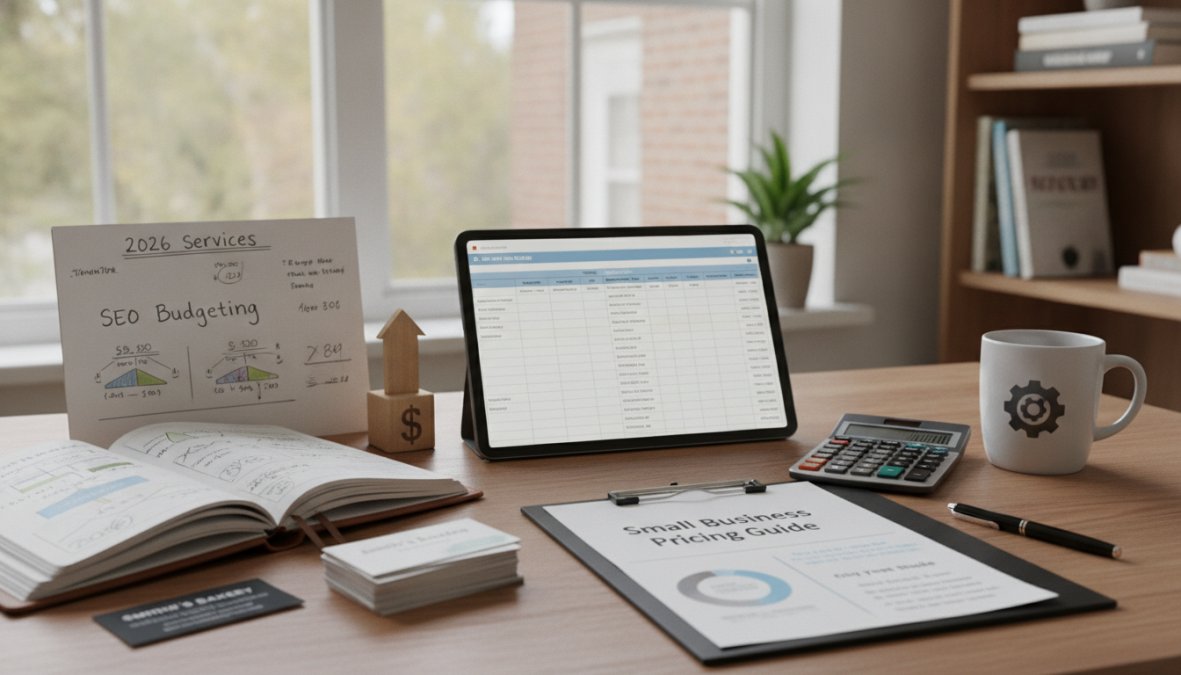
Website development costs depend on complexity and functionality. Small to medium business owners typically budget for a professional web development company.
A website with limited customisation is usually template-based. A more comprehensive website includes custom design, more pages, and integrated functionality. Custom development, e-commerce integration, advanced analytics, or bespoke software features typically involve a higher investment.
The mistake most small business owners make is treating cost as the primary variable. A cheap web development company often cuts corners on user experience, conversion optimisation, or ongoing support. Instead, evaluate cost against expected return. If a web development company charges for their work and their work typically generates an extra amount per month in revenue, that’s a measurable payback period.
Ask for transparency on what’s included. Does the quote cover unlimited revisions or a set number? Are hosting and domain registration included? What about post-launch support? A detailed quote from a quality web development company will break down these components.
Consider the total cost of ownership, not just the initial build. A well-built site with structured maintenance can serve your business for 5-7 years with regular updates.
Website Builder vs Custom Development: Which Suits Your Business
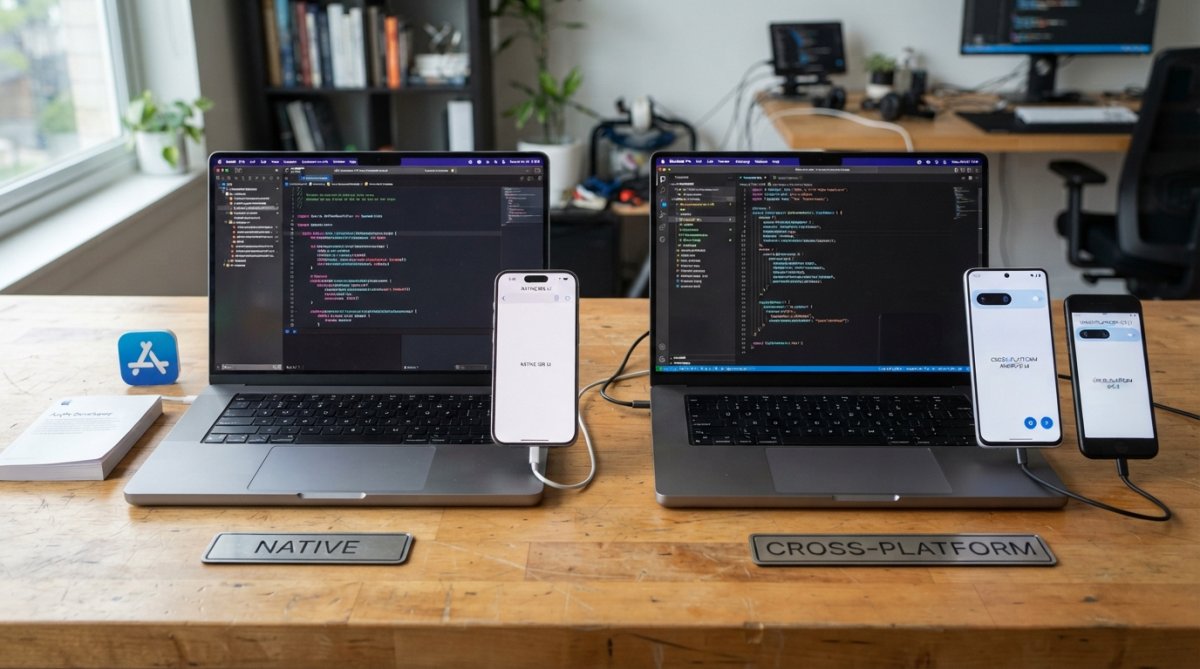
The choice between a website builder and custom development depends entirely on your business needs, growth trajectory, and technical requirements.
Website builders like Wix, Squarespace, or Shopify are purpose-built for businesses that need a functional site quickly and affordably. For a small local service business with straightforward needs, this approach works.
The limitations emerge as your business grows. Website builders restrict customisation and lock you into their template structure. If you need custom functionality, integration with existing systems, or advanced e-commerce capabilities, a builder will eventually constrain you.
Custom development builds a website specifically for your business, tailored to your workflows and optimised for your conversion goals.
Custom development costs more upfront but scales with your business. As you grow, you can add features and integrate new tools without rebuilding the entire site.
Choose a website builder if you’re a solo operator with simple needs, limited budget, and no plans for significant growth in the next 2-3 years. Choose custom development if you’re running a service-based business that needs lead generation optimisation, an e-commerce store with specific conversion requirements, or any business that plans to scale significantly.
| Approach | Best For | Timeline | Flexibility |
|---|---|---|---|
| Website Builder | Solo operators, simple sites, tight budgets | 1-2 weeks | Limited |
| Custom Development | Growing businesses, e-commerce, lead generation | 4-8 weeks | High |
| Hybrid (Builder + Custom) | Small teams needing some customisation | 2-4 weeks | Moderate |
Evaluating Portfolio and Case Study Results
A portfolio tells you what a web development company has built. Case studies tell you what those builds actually achieved.

When reviewing a portfolio, look beyond aesthetics. Do these sites look designed for conversion, or just for appearance? Are there clear calls to action? A beautiful site that doesn’t convert is expensive decoration.
Look for pattern recognition. Has the web development company worked with businesses similar to yours? If they’ve built sites for service businesses, e-commerce stores, or local retailers, they understand your challenges.
Case studies should include the business’s starting situation, the specific problem they faced, the solution implemented, and measurable results.
Ask for case studies in your industry specifically. Verify the results by requesting permission to contact the client directly or asking for evidence of the claims. A legitimate partner will provide this willingly.
Look at the recency of case studies. Recent work (last 12 months) is more relevant than older projects, since web standards and user behaviour change constantly.
Website Maintenance Packages and Ongoing Support
The launch of your website is the starting point, not the finish line. What happens after launch determines whether your site remains an asset or becomes a liability.
Ask potential web development companies what’s included in their maintenance packages. Standard offerings should cover security updates, software patches, backup management, and monitoring for broken links or performance issues. Some packages include a set number of hours per month for content updates or optimisation work.
A quality web development company should offer structured packages that fit your needs. A small local business might need 2-4 hours per month for updates and maintenance. A growing e-commerce store might need 8-10 hours monthly for ongoing optimisation.
Websites require active management. Security vulnerabilities emerge regularly. Search algorithms change. A website left unattended degrades in performance, security, and search visibility.
Ask about the web development company’s approach to scalability. What happens when your business grows and you need new features? Can they integrate new tools as your business adopts them?
Also clarify the support response time. If your site goes down, how quickly will they respond? Confirm their service level agreement and what happens if they miss response time targets.
Making Your Final Decision and Getting Started
By this point, you should have narrowed your options to 2-3 web development companies that meet your core requirements. The final decision comes down to which partner you trust most to deliver results and maintain a genuine relationship with your business.
Trust is built on three factors: competence, transparency, and communication. A competent web development company demonstrates deep knowledge of your industry and clear methodology. Transparency means they explain their process, pricing, and timelines clearly, with no hidden costs. Communication means they listen more than they talk and explain things in language you understand.
Before signing any contract, ensure you have a written project scope that details what’s included, the timeline, the cost, and the support structure post-launch.
Ask about contract terms. How long is the commitment? What happens if you need to change direction? Can you own your codebase and migrate to another provider if needed?
Trust your instincts about working relationships. If the interactions feel transactional or dismissive, that’s a signal. The best web development companies treat you as a partner, not a transaction.
Web Maniacs focuses on three core pillars: Traffic, Leads, and Trust. We build clean, fast-loading sites designed for conversion, develop strategic marketing approaches that attract real customers, and maintain full transparency throughout the process. Whether you need custom web development, e-commerce integration, or conversion rate optimisation, the right partner combines technical expertise with genuine commitment to your business growth.
Frequently Asked Questions
What should I look for when hiring a web development company?
Look for proven experience with businesses similar to yours, clear case studies showing measurable results, and transparent communication about your project timeline and budget. Ask about their approach to mobile-first design, SEO integration, and post-launch support. A strong web development partner should ask detailed questions about your business goals, target customers, and success metrics, not just discuss design aesthetics. Verify they have experience with your specific platform needs, whether that's e-commerce, lead generation, or custom applications.
How much does a professional website cost in New Zealand?
Professional website costs vary significantly based on complexity and features. Small to medium business owners typically budget between NZ$1,499 to NZ$3,999 for a professionally designed website, while fully customised solutions can range from NZ$999 to NZ$9,999 or more depending on the number of pages, functionalities, and integrations required. The investment reflects the quality of user experience, conversion optimisation, and ongoing support. Rather than choosing based on lowest price, focus on the value and results each company delivers.
What's the difference between a website builder and custom web development?
Website builders offer pre-designed templates and drag-and-drop interfaces, making them quick and affordable for simple sites. Custom development provides tailored solutions built specifically for your business needs, including unique features, integrations, and scalability. Custom development typically costs more but delivers superior user experience, better search engine optimisation, and the ability to grow as your business expands. Choose based on your current complexity and future growth plans, builders suit straightforward brochure sites, while custom development works better for e-commerce, lead generation, or applications requiring specific functionality.
How do I verify the credibility of a web design agency?
Check their portfolio for case studies that show actual results, not just pretty designs. Ask for references from previous clients in your industry and contact them directly. Verify they have proper credentials, active social media presence, and genuine customer testimonials. A credible agency should be transparent about their process, pricing, and what you can expect post-launch. Red flags include agencies that focus solely on aesthetics without discussing business outcomes, those unwilling to provide references, or those promising guaranteed rankings or unrealistic timelines.
Choosing a web development company is a significant investment in your business’s future. The right partner becomes an extension of your team, helping you navigate digital strategy, optimise for results, and scale sustainably. Start with clear criteria, ask the hard questions, evaluate evidence over promises, and commit to a relationship built on transparency and measurable outcomes. Get started with Web Maniacs and build a website that actually grows your business.
This article was written using GrandRanker