Web Design for Business Growth: A 2026 Guide
Table of Contents
- Why Web Design Matters More Than Ever in 2026
- Understanding Web Design Pricing and Small Business Website Packages
- Core Services in Professional Web Design
- SEO Strategy for Local Businesses
- How to Choose the Right Web Design Partner
- Building Your Post-Launch Growth Roadmap
- Conclusion
Last Updated: August 24, 2026
Why Web Design Matters More Than Ever in 2026
Web design influences 94% of potential customers’ first impressions of a business online. That’s not marketing hyperbole, it’s the threshold between someone staying to explore your offering and bouncing to a competitor within seconds. For businesses operating in today’s digital landscape, web design has evolved from a nice-to-have aesthetic feature into a critical business asset that directly affects revenue, customer acquisition, and brand credibility.
According to Webtoday’s 2026 e-commerce analysis, the e-commerce sector reached NZD 6.3 billion in 2022, a 14% increase from the previous year, with over 75% of New Zealanders having made an online purchase. Yet a troubling statistic persists: only 53% of businesses have a website, a figure that has remained flat since 2022, despite 61% of businesses ranking a website as their most important digital tool. This gap between what businesses know they need and what they’ve actually built represents a massive competitive disadvantage.
The disconnect is real. Consumers increasingly expect faster service, more personalisation, and seamless online experiences. When 81% of customers search online before making a purchase in a physical store, the absence of a professional web presence isn’t just a missed opportunity, it’s a lost sale. At Web Maniacs, we’ve seen firsthand how this gap affects local businesses. The ones who bridge it early gain disproportionate advantage over those still relying on outdated digital footprints or generic website builders.
Great user experience design can drive conversion rates by up to 400%, according to Hostinger’s 2026 web design statistics. That’s the difference between a website that looks professional and one that actually generates revenue. Mobile-first design now dominates among 62% of top-ranking websites, reflecting the reality that over 90% of New Zealanders access the internet via mobile devices. Smartphones accounted for 65.7% of e-commerce sales in 2025, a share expected to grow at 10% annually through 2031.
This guide covers what modern web design actually means for your business, how to navigate pricing and packages, and how to choose a partner who delivers results rather than just aesthetics.
Understanding Web Design Pricing and Small Business Website Packages
Web design costs vary dramatically depending on scope, functionality, and complexity. Understanding the pricing tiers helps you allocate budget appropriately and avoid both underinvestment and overspending on features you don’t need.
Single-Page and Multi-Page Solutions
Single-page websites work well for freelancers, consultants, or service providers who need a minimal online presence. These typically include a homepage with key information, contact details, and perhaps a simple contact form. They’re quick to build and inexpensive to maintain.
Three-page packages add dedicated pages for services, about information, and a contact or inquiry page, enough structure to establish credibility without overwhelming visitors. For local service businesses, contractors, and small retail operations, this package strikes a practical balance.
Five to nine-page websites support more detailed content architecture, multiple service categories, a blog section, and richer storytelling about your business. It’s the sweet spot for many small businesses that need to establish authority and provide enough information to answer customer questions.
When evaluating multi-page options, consider not just the number of pages but the user journey they enable. A poorly structured ten-page site performs worse than a well-designed five-page site. The goal is clarity, not volume.
E-Commerce and Custom Development Costs
E-commerce websites require substantially more investment because they handle transactions, inventory management, payment processing, and customer data. Basic e-commerce setups are suitable for a simple store with limited SKUs and standard integrations. Premium e-commerce solutions depend on customisation, integration complexity, and scalability requirements.
Custom websites for specialist needs, those requiring unique functionality, bespoke integrations, or advanced features, involve a higher investment. This category includes applications that need custom workflows, proprietary logic, or integration with existing business systems. The investment reflects the complexity and the ongoing value these solutions generate.
A critical consideration: the cheapest option isn’t always the best value. A website built on a generic template may cost nothing to launch but everything to scale. When you need to add functionality, integrate with your accounting software, or optimise for conversion, you’ll likely rebuild from scratch. Investing in proper architecture upfront prevents costly rework later.

Core Services in Professional Web Design
Professional web design encompasses far more than visual aesthetics. Modern design integrates strategy, user experience, technical architecture, and marketing objectives into a cohesive system.
Bespoke and Conversion-Focused Design
Bespoke web design means custom architecture built specifically for your business model, audience, and goals, not a template adapted to your needs. The difference matters enormously. A bespoke approach starts with understanding your conversion goals, customer journey, and competitive positioning, then builds the site to support those objectives.
Conversion-focused design places user experience at the centre. Every element, layout, copy, call-to-action placement, form fields, page speed, is optimised to guide visitors toward a specific action: making a purchase, requesting a quote, booking a consultation, or signing up. This isn’t about manipulation; it’s about removing friction from the path to conversion.
Research into websites with a ‘.co.nz’ domain found that more than half may be unfairly manipulating visitors through design elements that lead users to make decisions they might not otherwise make if fully informed. The best web design avoids dark patterns entirely, instead using ethical design principles that genuinely serve user needs while supporting your business goals.
Mobile-First and Responsive Architecture
Mobile-first design means building for smartphones first, then scaling up to larger screens, the opposite of the outdated approach of adapting desktop designs for mobile. This shift reflects user behaviour: over 90% of New Zealanders access the internet via mobile devices, and mobile commerce now dominates e-commerce sales.
Responsive architecture means your site adapts seamlessly across all device sizes without losing functionality or aesthetics. This isn’t optional; it’s foundational. Google’s search algorithm prioritises mobile-responsive sites, and users abandon non-responsive experiences immediately. The technical implementation matters: proper responsive design requires thoughtful breakpoints, scalable typography, touch-friendly interface elements, and optimised image delivery.
Lead Generation and Digital Strategy Integration
Lead-generating websites do more than display information. They actively capture contact information, qualify prospects, and feed data into your sales process. This requires strategic placement of calls-to-action, well-designed contact forms, clear value propositions, and often integration with customer relationship management systems.
Digital strategy integration means your website doesn’t exist in isolation. It connects with your email marketing, social media, search engine optimisation efforts, and advertising campaigns. A siloed website generates far fewer results than one designed as part of a coordinated digital ecosystem. Web Maniacs approaches web design as the central hub of your digital presence, integrating it with your broader marketing strategy to amplify results. streamlining design revision processes.
SEO Strategy for Local Businesses
Search engine optimisation isn’t an afterthought bolted onto finished websites, it’s foundational to how sites are architected, structured, and optimised. For local businesses, SEO strategy determines whether potential customers find you when they search for what you offer.
Technical SEO and Site Architecture
Technical SEO covers the infrastructure that search engines use to crawl, index, and rank your site. This includes site speed, mobile optimisation, XML sitemaps, structured data markup, canonical tags, and crawl efficiency. Poor technical SEO can tank rankings regardless of content quality.
Site architecture, how pages are organised and linked, profoundly affects both user experience and search visibility. A logical hierarchy with clear navigation paths helps users find information quickly and helps search engines understand your site’s structure. Internal linking strategy distributes authority across pages and guides users toward your most important content.
According to Marco Marketing’s 2026 New Zealand digital trends analysis, NZ local search volume grew 29% in 2025, with Auckland representing 35% of NZ’s GDP and dominating national search volume. Yet over 60% of NZ small businesses still lack a local SEO strategy, creating significant opportunity for early movers.
Local Search Optimisation and Google Maps Visibility
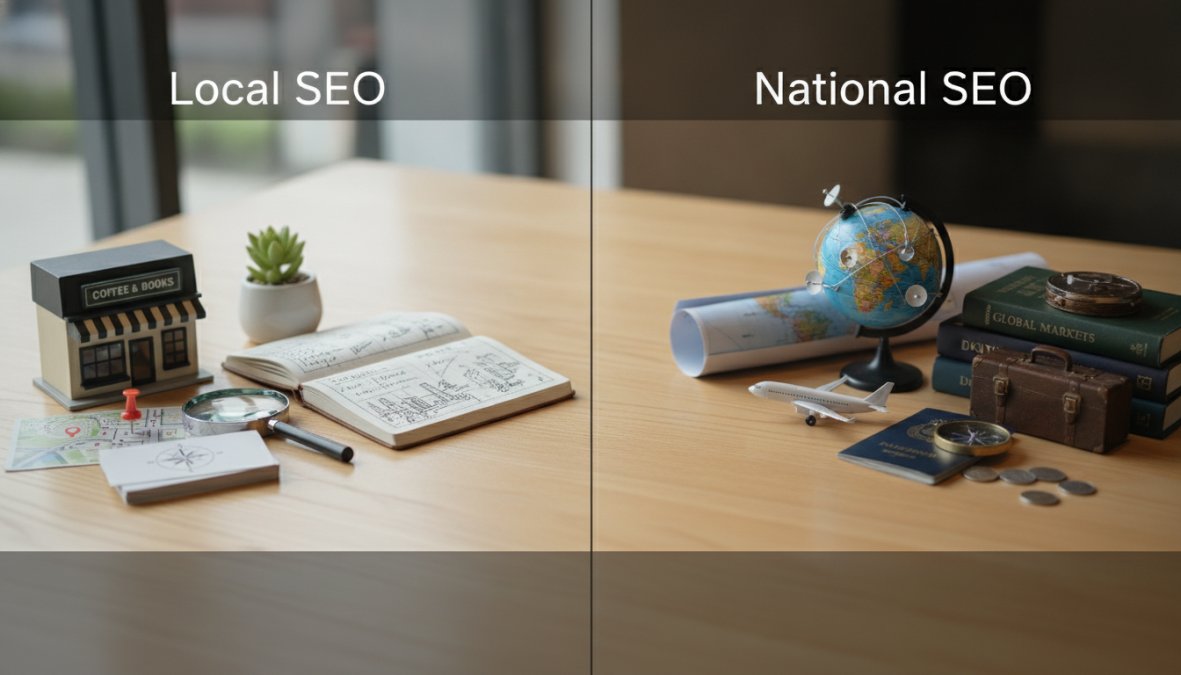
Local search optimisation targets customers searching for businesses like yours within a specific geographic area. Google Maps visibility is critical, when someone searches for "plumber near me" or "coffee shop," Maps results appear prominently alongside organic search results.
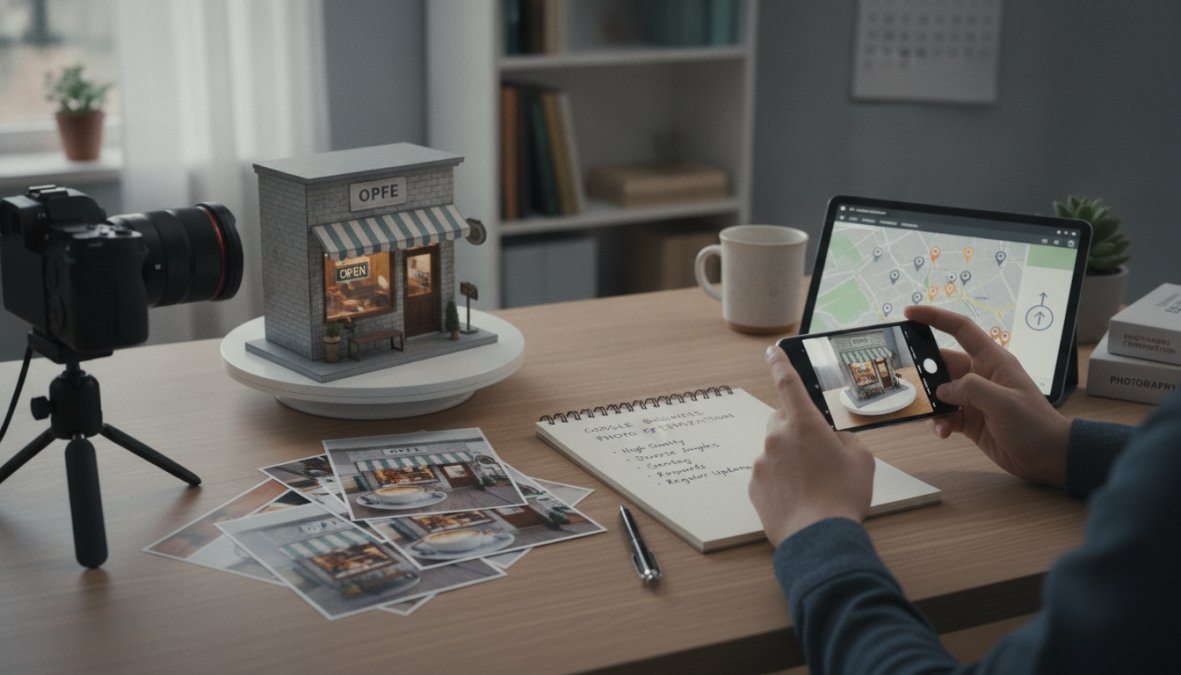
Optimising for local search requires accurate business information across Google Business Profile, consistent NAP (name, address, phone) data across directories, locally relevant content, and reviews from real customers. For service businesses and retail locations, local search often generates more qualified leads than broad organic search because intent is immediate and geographic.
How to Choose the Right Web Design Partner
Selecting a web design partner is one of the most consequential decisions you’ll make for your digital presence. The wrong choice wastes money and time; the right one becomes a strategic asset.
Evaluating Portfolio and Track Record
A strong portfolio demonstrates range, quality, and results. Look beyond aesthetics, examine whether portfolio sites are actually user-friendly, whether they load quickly, whether they appear in search results, and whether they likely generate revenue for their owners.
Ask specifically about case studies with measurable outcomes. Did the project increase revenue, generate leads, or improve customer engagement? Generic descriptions like "built a beautiful website" tell you nothing about whether the work delivered business value. Real case studies include metrics: "Increased online sales by 34%," "Generated 120 qualified leads in the first month," or "Improved conversion rate from 1.2% to 3.8%."
Request references from past clients, particularly those in your industry or with similar business models. Direct conversations reveal how the agency communicates, handles revisions, meets deadlines, and responds to problems.
Ongoing Support and Website Maintenance
The best web design agencies understand that launch is a beginning, not an ending. Your website requires ongoing maintenance, security updates, performance monitoring, and optimisation based on user behaviour data.
Before committing, clarify what ongoing support includes. Does it cover security patches and backups? Can you request feature additions and optimisations? What’s the response time for urgent issues? Some agencies treat post-launch support as a profit centre with inflated rates; others include reasonable support as part of the relationship.
Web Maniacs provides ongoing optimisation, technical support, and strategic guidance to ensure your website continues generating results as your business evolves. This continuity is invaluable, as the agency understands your systems, your goals, and your customer base, making future improvements faster and more effective.
Building Your Post-Launch Growth Roadmap
Launching a website is a milestone, not a finish line. The real work begins after launch, when you optimise based on real user data and integrate the site into your broader business growth strategy.

A growth roadmap outlines priorities for the months following launch. This typically includes performance monitoring, user behaviour analysis, conversion rate optimisation, content expansion, and integration with marketing campaigns.
Start by establishing baseline metrics: traffic volume, bounce rate, time on site, conversion rate, and revenue per visitor. After 30-60 days of data collection, you’ll have enough information to identify what’s working and what needs improvement. Common optimisations include simplifying checkout flows for e-commerce sites, improving page speed, clarifying value propositions, and testing different call-to-action placements.
Content expansion should follow a strategic roadmap. Rather than publishing randomly, plan content that addresses your audience’s questions, supports your search engine optimisation strategy, and aligns with your sales funnel. Blog posts, case studies, product guides, and FAQs all serve specific purposes in attracting and converting customers.
Integration with digital marketing amplifies your website’s impact. When your website connects with email marketing, paid advertising, and social media campaigns, each channel reinforces the others. A visitor who sees your ad on social media, visits your website, and receives a follow-up email is far more likely to convert than one who encounters you only once.
According to Xero and the New Zealand Institute of Economic Research’s 2025 productivity analysis, a ten percentage point rise in cloud uptake is linked to a 3.5% jump in average firm productivity. Over 70% of SMEs using digital analytics report stronger strategic decision-making capabilities. This underscores the importance of treating your website not as a static asset but as an active tool for understanding and serving your customers.
Your website is the digital foundation of your business. It’s where first impressions form, where customers research before buying, and where you capture leads and revenue. The difference between a generic website and a strategic, conversion-focused one directly affects your bottom line.
Web Maniacs specialises in building websites that don’t just look professional, they generate measurable business results. From bespoke custom development to mobile-first responsive design and integrated digital strategy, we combine user-friendly technology with results-driven marketing to help you connect with customers and achieve sustainable growth. Get started with Web Maniacs and transform your digital presence into a revenue-generating asset.
=== FAQ ANSWERS (audit these too, same rules) ===
[1] Q: How much does professional web design cost in 2026?
A: Web design pricing varies significantly based on scope and complexity. Single-page websites, 3-page packages, e-commerce websites, and custom websites for specialist needs all have different pricing structures. Costs depend on your specific requirements, features, and ongoing support needs. Contact Web Maniacs for a personalised quote based on your business goals.
[2] Q: What’s the difference between template-based sites and custom web design?
A: Template-based websites use pre-built designs that limit customisation and may not reflect your brand identity or conversion strategy. Custom web design creates a bespoke solution tailored to your business goals, user experience requirements, and technical needs. Custom sites can offer better SEO performance, faster loading times, and superior conversion-focused architecture. For businesses competing in competitive markets, custom design can deliver stronger ROI through improved user engagement and lead generation capabilities.
[3] Q: How long does it take to build a professional website?
A: Timeline depends on project scope. The process includes discovery, wireframing, design, development, testing, and launch. Ongoing communication with your web design partner ensures the project stays on track and meets your business objectives for launch and post-launch performance.
[4] Q: Why should I invest in SEO strategy for local businesses?
A: Local search volume grew 29% in 2025, with 81% of customers searching online before making a purchase. Over 60% of small businesses still lack a local SEO strategy, creating a significant opportunity. Proper SEO strategy improves your visibility in search results, drives qualified traffic to your website, and generates leads from customers actively seeking your services. Combined with Google Maps optimisation and technical site architecture, SEO delivers measurable ROI and sustainable business growth.
Frequently Asked Questions
Q: How much does professional web design cost in 2026?
A: Web design pricing varies significantly based on scope and complexity. Single-page websites, 3-page packages, e-commerce websites, and custom websites for specialist needs all have different pricing structures. Costs depend on your specific requirements, features, and ongoing support needs. Contact Web Maniacs for a personalised quote based on your business goals.
Q: What's the difference between template-based sites and custom web design?
A: Template-based websites use pre-built designs that limit customisation and may not reflect your brand identity or conversion strategy. Custom web design creates a bespoke solution tailored to your business goals, user experience requirements, and technical needs. Custom sites can offer better SEO performance, faster loading times, and superior conversion-focused architecture. For businesses competing in competitive markets, custom design can deliver stronger ROI through improved user engagement and lead generation capabilities.
Q: How long does it take to build a professional website?
A: Timeline depends on project scope. The process includes discovery, wireframing, design, development, testing, and launch. Ongoing communication with your web design partner ensures the project stays on track and meets your business objectives for launch and post-launch performance.
Q: Why should I invest in SEO strategy for local businesses?
A: Local search volume grew 29% in 2025, with 81% of customers searching online before making a purchase. Over 60% of small businesses still lack a local SEO strategy, creating a significant opportunity. Proper SEO strategy improves your visibility in search results, drives qualified traffic to your website, and generates leads from customers actively seeking your services. Combined with Google Maps optimisation and technical site architecture, SEO delivers measurable ROI and sustainable business growth.
This article was written using GrandRanker